Solar Panels for Nursing Homes - UK Specialists
MCS-certified solar PV for UK nursing homes. Fixed-price quote in 7 working days. PPA, capital purchase, or asset finance. From 40 kWp single homes to megawatt-scale group rollouts.
- MCS Certified
- NICEIC
- RECC
- TrustMark
- IWA-Backed
ACCREDITED FOR UK COMMERCIAL WORK






The economics of solar panels for nursing homes in 2026
England has roughly 4,800 care homes registered to provide nursing care, around a third of the country's 10,980 registered care homes (CQC, March 2024). A nursing home is a different energy proposition from a residential care home. CQC registration for the regulated activity of nursing care means at least one Registered Nurse on shift 24 hours a day, and a building full of always-on clinical equipment: ceiling-track hoists, electric profiling beds, alternating-pressure air mattresses, oxygen concentrators, nurse-call systems, medication fridges and sluice-room disinfectors. That clinical baseload runs day and night, which is exactly why nursing homes reach a higher and flatter solar self-consumption of 50-65% a year, against the 40-60% typical of hot-water-and-laundry-led residential homes. With business electricity around 27p/kWh in 2026 and bed rates largely fixed by NHS Continuing Healthcare and local-authority commissioning, every self-generated kWh is retained margin rather than a cost that can be passed on. A typical 40-70 bed nursing home spends £45,000-£90,000 a year on electricity and can carry a 40-80 kWp rooftop system that pays back in about five years.
- Sizing built around the clinical baseload, not a residential-care template, so we target the 50-65% self-consumption nursing homes actually achieve.
- Battery backup designed with your clinical team for nurse-call, ceiling hoists, medication and vaccine fridges and oxygen concentrators.
- Infection-control access protocols agreed with your clinical lead before mobilisation, with DBS-Enhanced installers for clinical-area access.
- Honest funding maths: capital allowances explained correctly (solar is special-rate plant, not 100% full expensing), plus VAT recovery, business rates exemption, SEG and PPA.
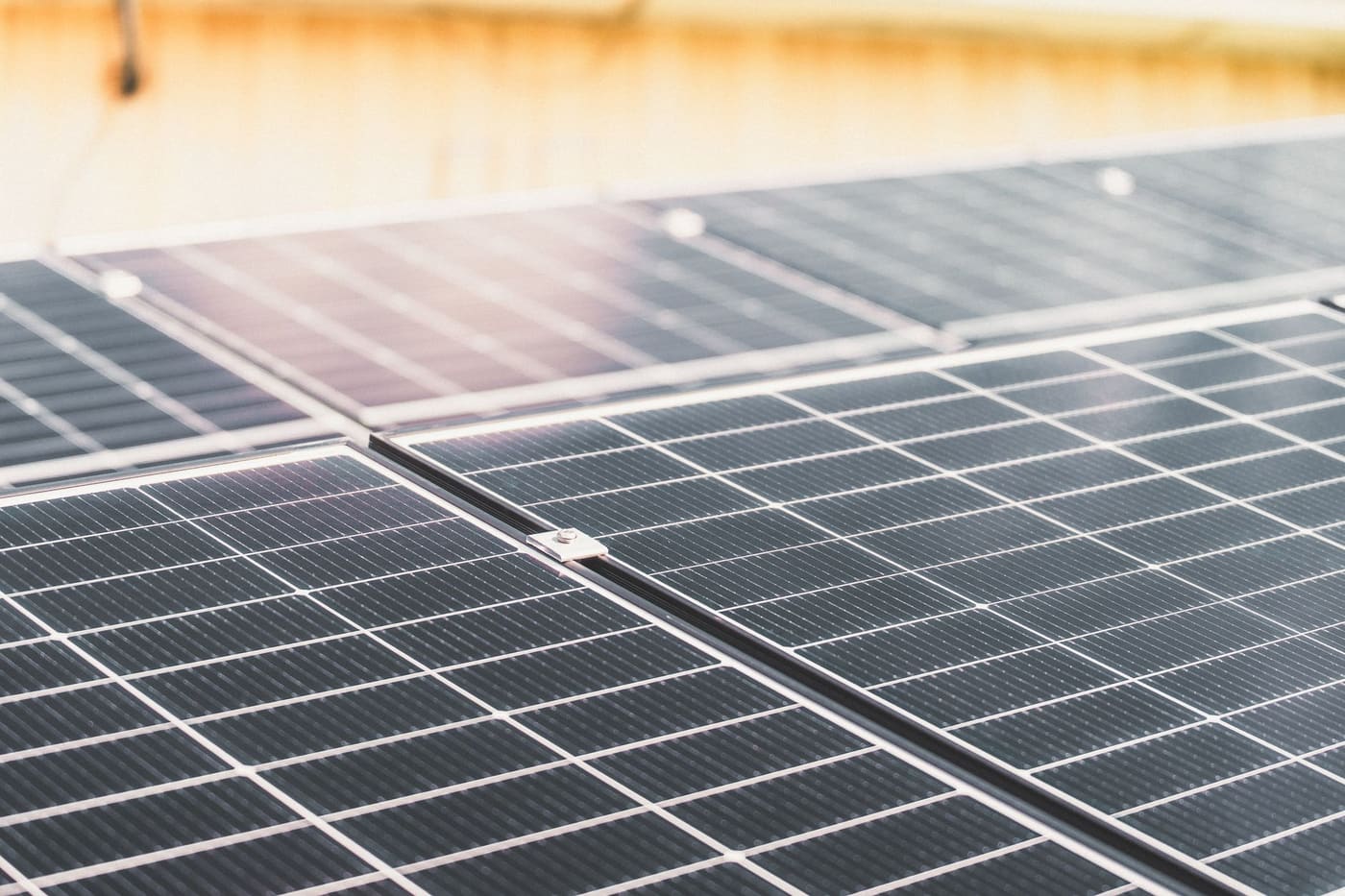
The commercial case for nursing-home solar
A resident-safe install, from meter data to monitoring
Every step is planned around your clinical routine and your registered manager. No high-pressure sales.
- 01Week 1-3
Survey the clinical load
We pull 12 months of half-hourly meter data and roof drawings to model the continuous clinical baseload — hoists, profiling beds, oxygen concentrators, nurse-call and medication fridges — and size the array to the 50-65% self-consumption a nursing home actually reaches.
- 02Week 3-6
Design & compliance
Structural, asbestos and electrical surveys, then a fixed-price design. Your CQC registration for the regulated activity of nursing care is unaffected, and we prepare the Well-led sustainability evidence for your inspection file.
- 03Week 4-14
DNO & phased install
We handle the G99 grid-connection application and any planning, then phase the install around drug rounds, handovers and mealtimes, with infection-control access agreed with your clinical lead. Rooftop work stays above the clinical floor.
- 04Week 14-16
Commission & monitor
Final commissioning, staff briefing and live monitoring. Where resilience matters, we test the battery-backed critical circuits — nurse-call, medication fridges, emergency lighting — with your team.
Specialists across every sub-sector
Each sub-vertical has its own profile, sizing, payback, compliance, grants. Pick yours.
 Most common
 General Nursing Homes
40-80 kW. 5-year payback. £32,000-£70,000.
Dementia Nursing Homes
45-90 kW. 5-year payback. £36,000-£80,000.
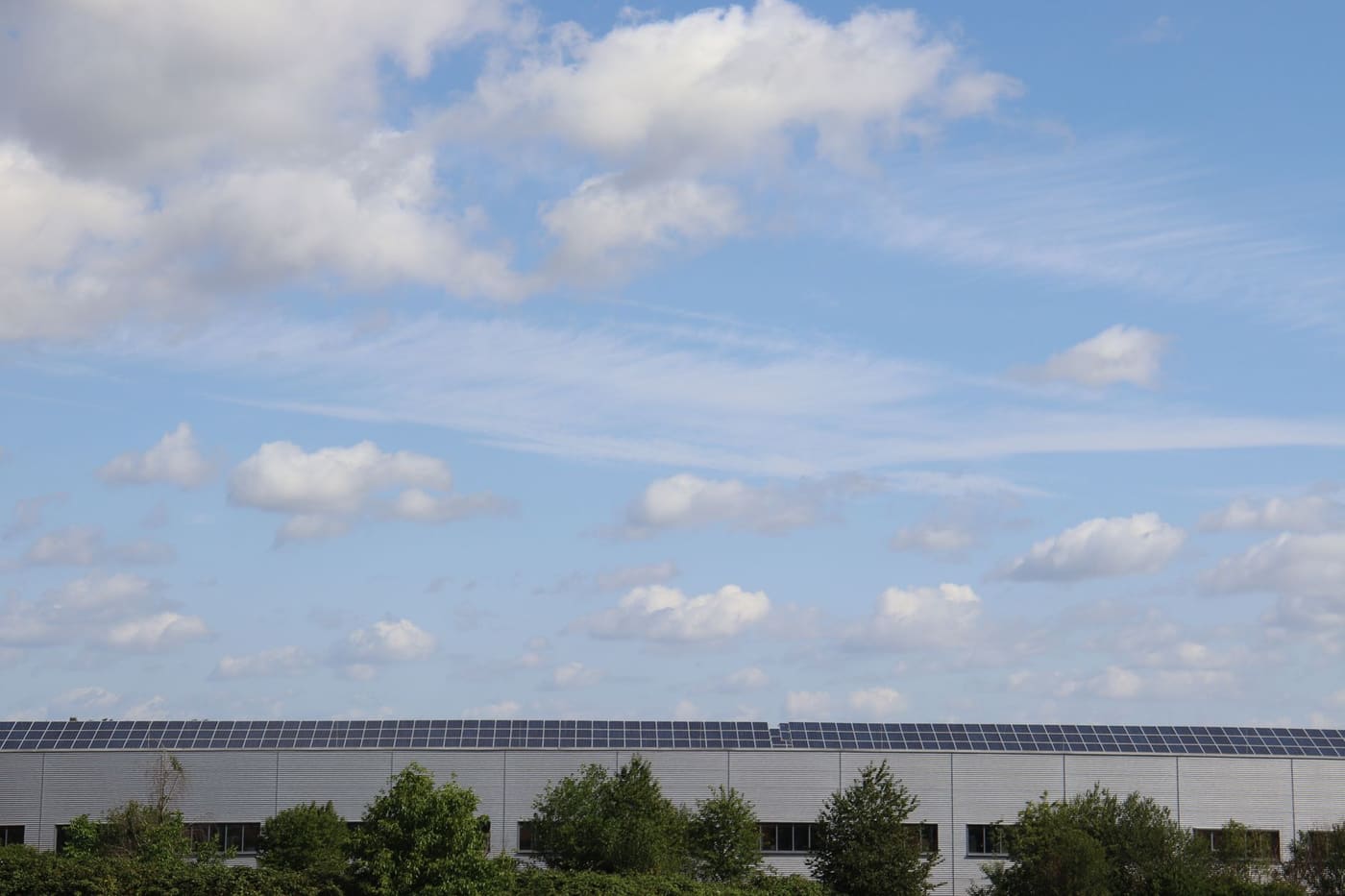
Palliative & Hospice Nursing Care
25-70 kW. 5-year payback. £20,000-£62,000.
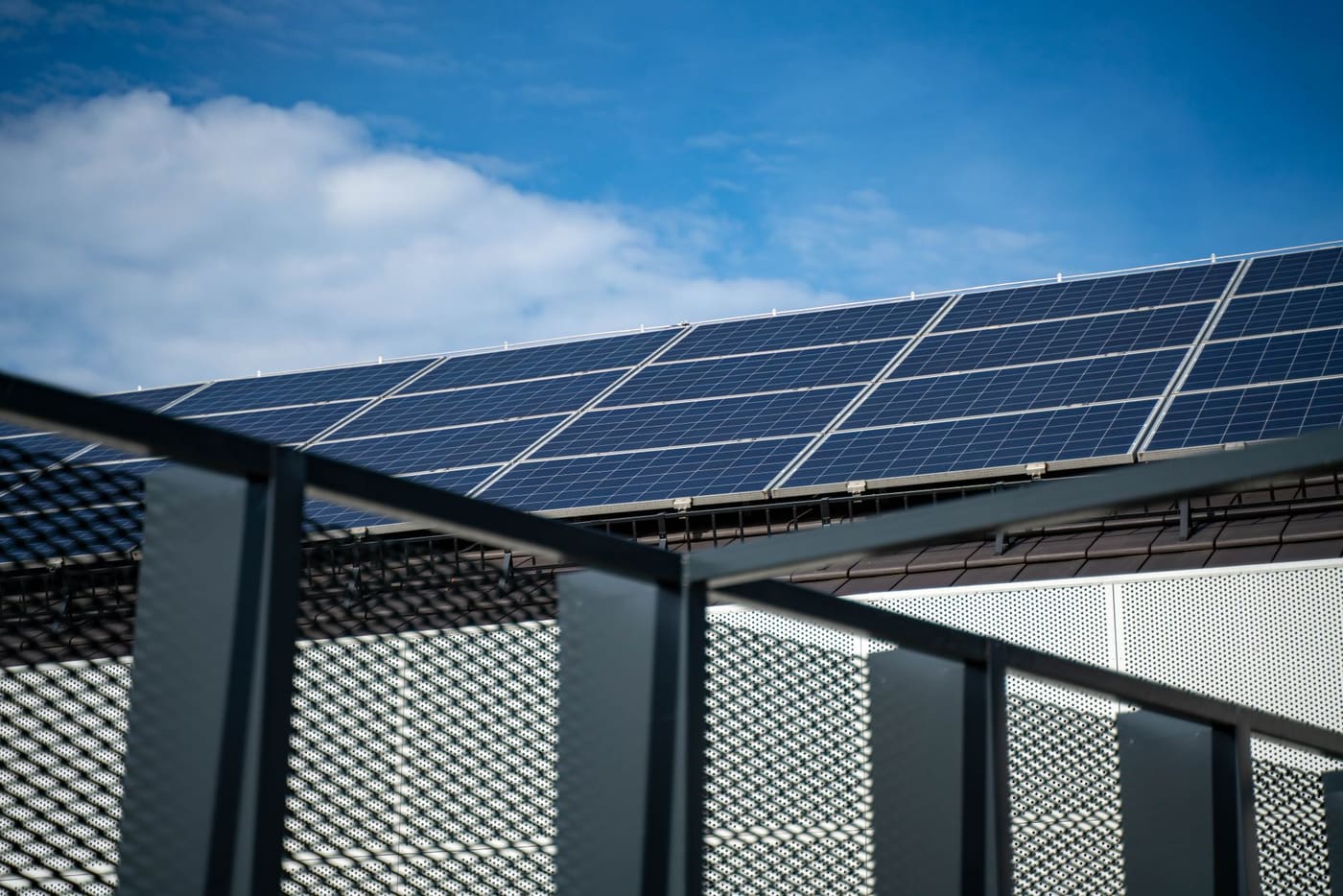
Complex-Needs & Neuro-Rehab Nursing
50-100 kW. 6-year payback. £40,000-£90,000.
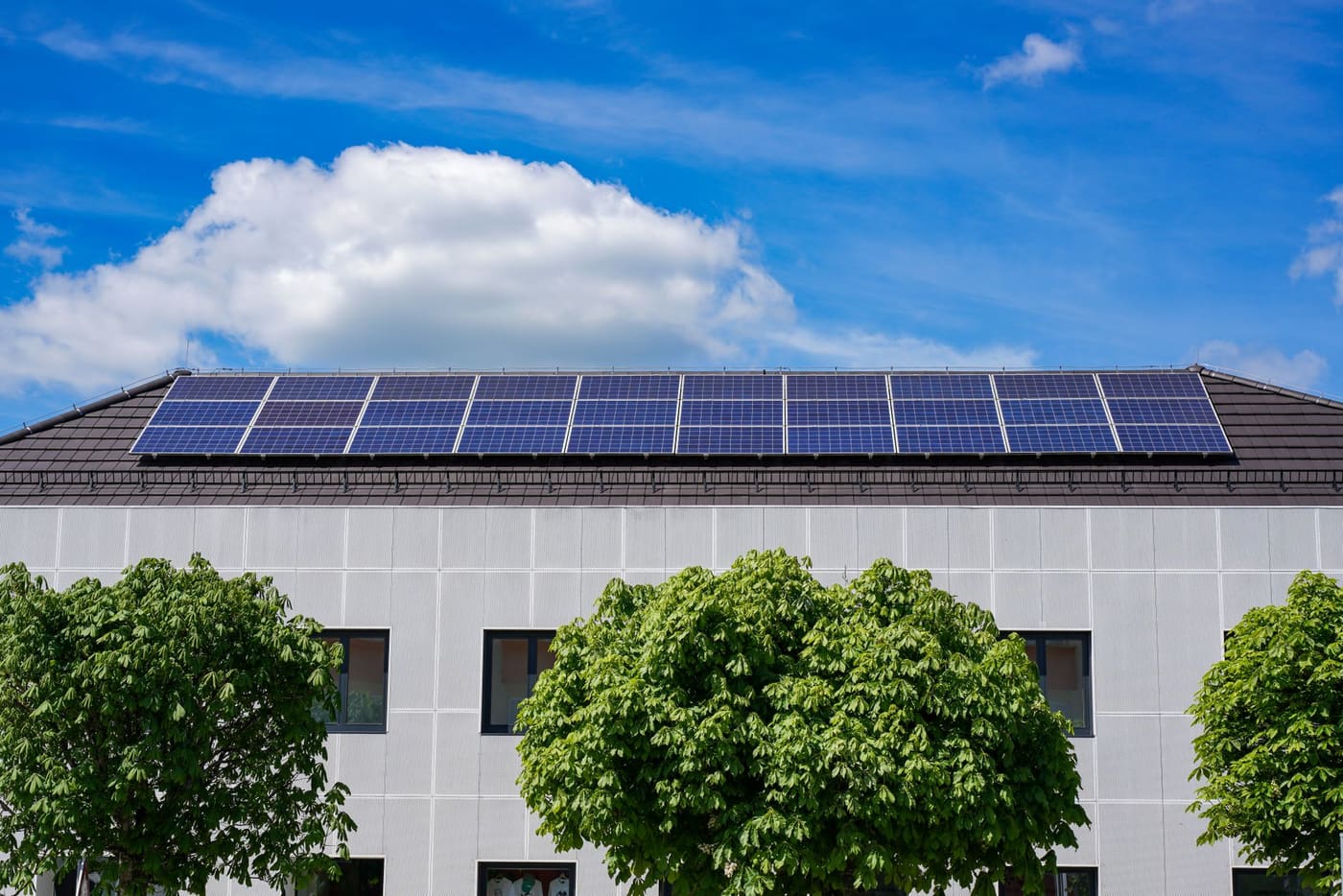
Single-Home & Group Nursing Rollout
40-90 kW per home (400 kW-2 MW group aggregate). 5-year payback. £32,000-£80,000 per home (£280,000-£1.4m group programme).
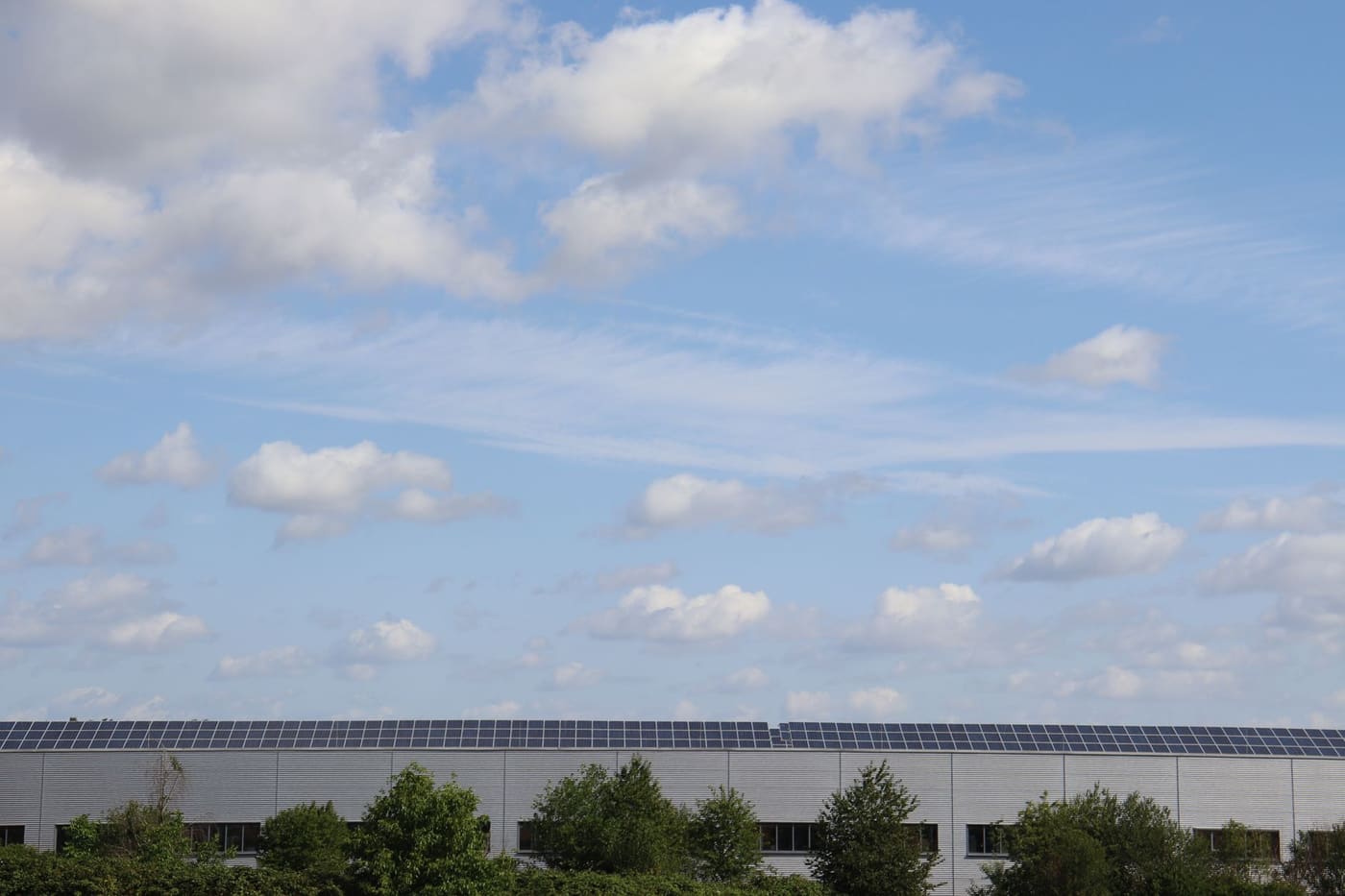
60.2 kWp on St Michael's Hospice, Herefordshire
St Michael's Hospice near Hereford provides palliative and respite nursing care and has done since 1984. In early 2024 it partnered with Spirit Energy to cut energy costs and gain energy independence across its year-round clinical buildings. This is a genuine in-sector reference, not an illustration, and the figures below are taken from the installer's published case study.
Nursing-home specialists vs a generalist solar contractor
A nursing home is a clinical building, not a residential one. These are the capabilities a nursing install actually needs — treated as standard practice, not extras.
| Nursing specialist (us) MCS-certified, clinical-load focused | Generalist contractor General electrical / building | In-house DIY Self-managed | |
|---|---|---|---|
| Clinical-load sizing from half-hourly meter data | |||
| Infection-control (IPC) install protocol agreed with your clinical lead | |||
| Battery backup designed for nurse-call & medication-fridge circuits | Sometimes | ||
| CQC Well-led sustainability evidence pack for your inspection file | |||
| LFP battery chemistry, sited externally, PEEPs updated | Sometimes | ||
| DBS-checked installers arranged for clinical-area access | |||
| MCS-certified commercial installation | Sometimes | ||
| Capital-allowance, PPA & SECR modelling |
Battery backup for the circuits that keep residents safe
A grid-tied array shuts down in a power cut under the G99 anti-islanding rule, so on its own it is not a backup. Where resilience matters, we design a lithium iron phosphate (LFP) battery with backup-circuit capability that keeps nurse-call, ceiling hoists, medication and vaccine fridges, oxygen concentrators and emergency lighting live for several hours, sized with your clinical team against your business-continuity and evacuation plans.
On funding we run the maths honestly. A Power Purchase Agreement installs the system at zero capex, or you own it and relieve most of the cost through the Annual Investment Allowance, with 20% VAT recovery and the 100% business-rates exemption on top.
- LFP-only chemistry, sited externally, PEEPs and fire risk assessment updated
- Critical-load circuits designed with your clinical and estates team
- PPA (zero capex) or capital purchase with AIA, modelled against your accounts
- SECR Scope 2 reporting data provided for group operators
Decision guides for nursing-home operators
Straight answers on cost, funding and resilience, written for registered managers, owners and group finance directors.
- Nursing Home Solar and the CQC Well-led KLOE How on-site solar and battery storage become documented evidence for the CQC Well-led key question, under the 2023 single assessment framework's sustainability quality statement.
- Battery Backup for Nursing Homes: Resilience for Clinical Loads Keeping nurse-call, medication fridges, hoists and emergency lighting live through a DNO power cut. How battery backup is designed, sized and made safe in a nursing home.
- PPA vs Buying Solar for a Nursing Home: The Funding Routes Three ways to fund nursing-home solar without a big cheque: a zero-capex PPA, an outright capital purchase with allowances, or asset finance. The honest trade-offs of each.
- How Much Do Solar Panels Cost for a Nursing Home? The cost-per-kWp curve, worked examples by bed count, and the full total-cost-of-ownership picture for nursing-home solar, from a 30-bed home to a group rollout.
- Nursing Home Solar Myths, Answered Honestly The ten objections nursing-home owners raise most about solar, from install disruption and CQC risk to battery fire and cloudy-UK output, each answered with the clinical facts.
- Are Solar Panels Worth It for a Nursing Home in 2026? A nursing home's 24-hour clinical baseload gives it the strongest solar economics in social care. The honest cost, payback and self-consumption maths, plus where it does not pay.
Locations we cover
solar panels for nursing homes delivered across the UK. Click any location for local cost data, council schemes, and grid connection timescales.
London
Greater London. 8,908,081 population. Greater London Authority 2030 net zero.
Birmingham
West Midlands. 1,141,816 population. Birmingham City Council 2030 net zero.
Leeds
West Yorkshire. 793,139 population. Leeds City Council 2030 net zero.
Sheffield
South Yorkshire. 584,853 population. Sheffield City Council 2030 net zero.
Manchester
Greater Manchester. 568,996 population. Manchester City Council 2038 net zero.
Bradford
West Yorkshire. 546,412 population. Bradford Council 2038 net zero.
Common questions
The questions we hear most from Nursing home owner.
How much do solar panels for a nursing home cost in the UK?
A typical 30-50 bed nursing home installs a 40-60 kWp system for £32,000-£52,000, and a 60-90 bed home a 60-90 kWp system for £52,000-£80,000. Complex-needs and neuro-rehab sites with a therapy pool can justify 80-100 kWp. Cost per kWp falls from around £950 below 30 kWp to nearer £700 above 200 kWp on a group rollout. A tax-paying operator reduces the effective cost through capital allowances (AIA at 100% up to £1m, or the 50% special-rate first-year allowance for company spend above the cap).
Why do nursing homes get better solar returns than residential care homes?
Because the clinical baseload never switches off. A residential care home's electricity is led by hot water, laundry and daytime catering, so demand dips overnight and self-consumption sits around 40-60%. A nursing home adds a continuous clinical floor, ceiling hoists, profiling beds, pressure-relief mattresses, oxygen concentrators, nurse-call and 24-hour clinical rooms, so the load stays higher and flatter and self-consumption typically reaches 50-65% a year. Higher self-consumption means more of your generation offsets 27p/kWh grid electricity rather than being exported at a lower rate, which is what drives the roughly five-year payback.
What's the payback period on nursing home solar?
Typically around five years, sometimes faster on a large pitched-roof home with strong self-consumption. St Michael's Hospice in Herefordshire, a clinical palliative-care site, installed 60.2 kWp in March 2024 (Spirit Energy) and reported a five-year payback. The 50-65% self-consumption typical of nursing settings is the key: the more of your own generation you use on site, the faster the return. We model payback from 12 months of half-hourly meter data, not an estimate.
How much can a nursing home save on hot water, heating and laundry with solar?
Solar offsets the electricity behind your hot-water pumps and cylinders, immersion heating, commercial laundry and catering, which together are a large daytime load in a nursing home. On a 40-80 kWp system, expect to offset 40-60% of your annual electricity bill, several thousand to tens of thousands of pounds a year depending on home size. Solar does not directly cut gas heating, but where you run heat pumps or electric hot water it directly reduces that spend, and it pairs well with a future heat-pump switch.
Does the install disrupt clinically-dependent residents?
It is designed not to. Rooftop work happens above the clinical floor, so residents continue their care normally, and scaffolding is screened where distressed or dementia residents are present. We agree infection-control access protocols with your clinical lead before mobilisation and brief nursing staff. The only operational touchpoint is the final grid connection, typically 4-8 hours, scheduled around drug rounds, mealtimes and clinical handovers. The loudest activity, roof fixing, is kept to short windows outside quiet times.
What happens to nurse-call, hoists and medical fridges during a power cut?
A standard grid-tied solar system shuts down in a grid outage under the G99 anti-islanding rule, so solar alone does not keep equipment running. For resilience you add a battery with backup-circuit capability, which can keep critical loads live, nurse-call, ceiling hoists, medication and vaccine fridges, oxygen concentrators and emergency lighting, for several hours depending on battery size. We size the backup circuits with your clinical team against your business-continuity and evacuation plans, and use LFP battery chemistry for its lower fire risk.